The first and most obvious difference is the elimination
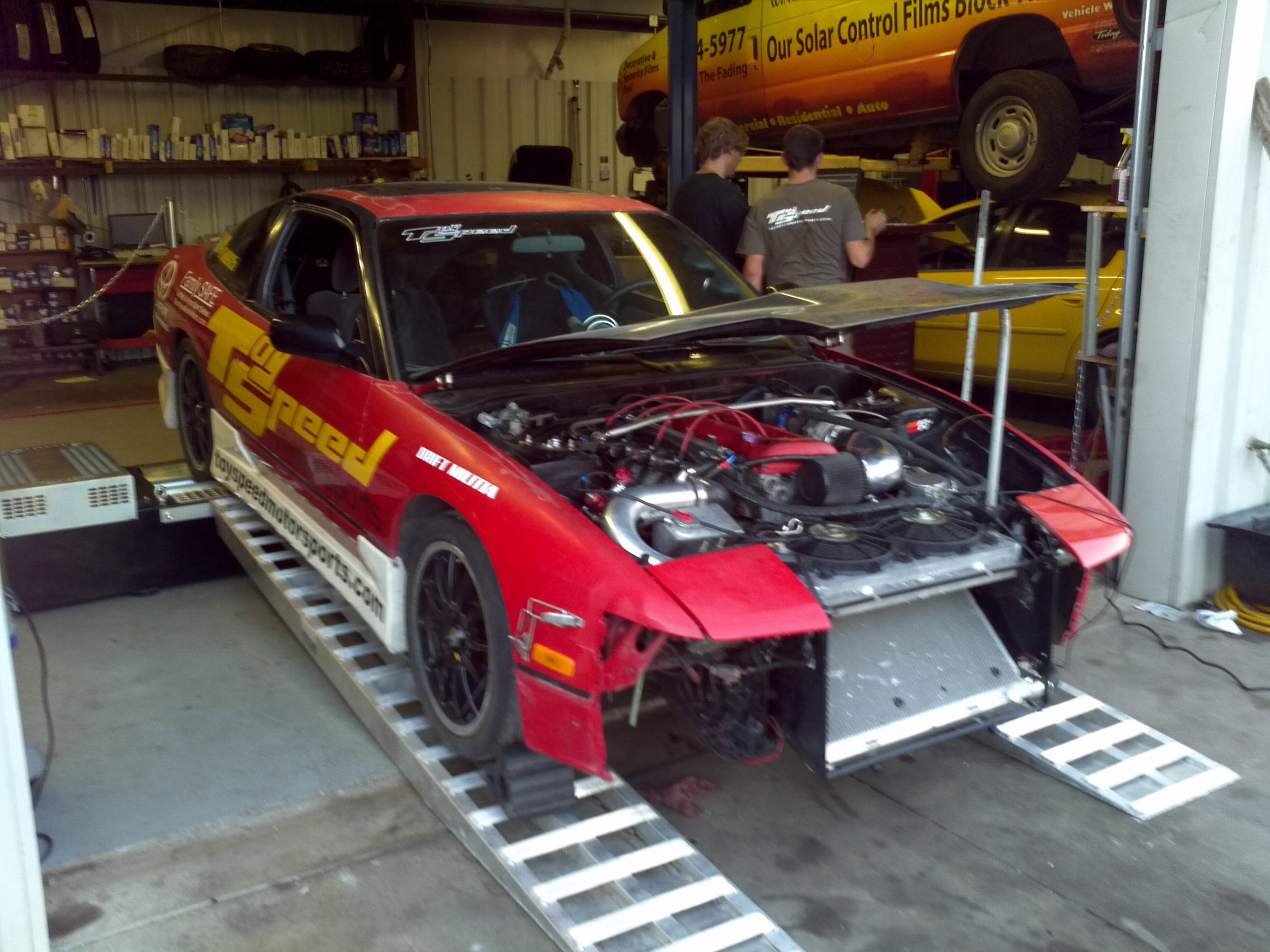
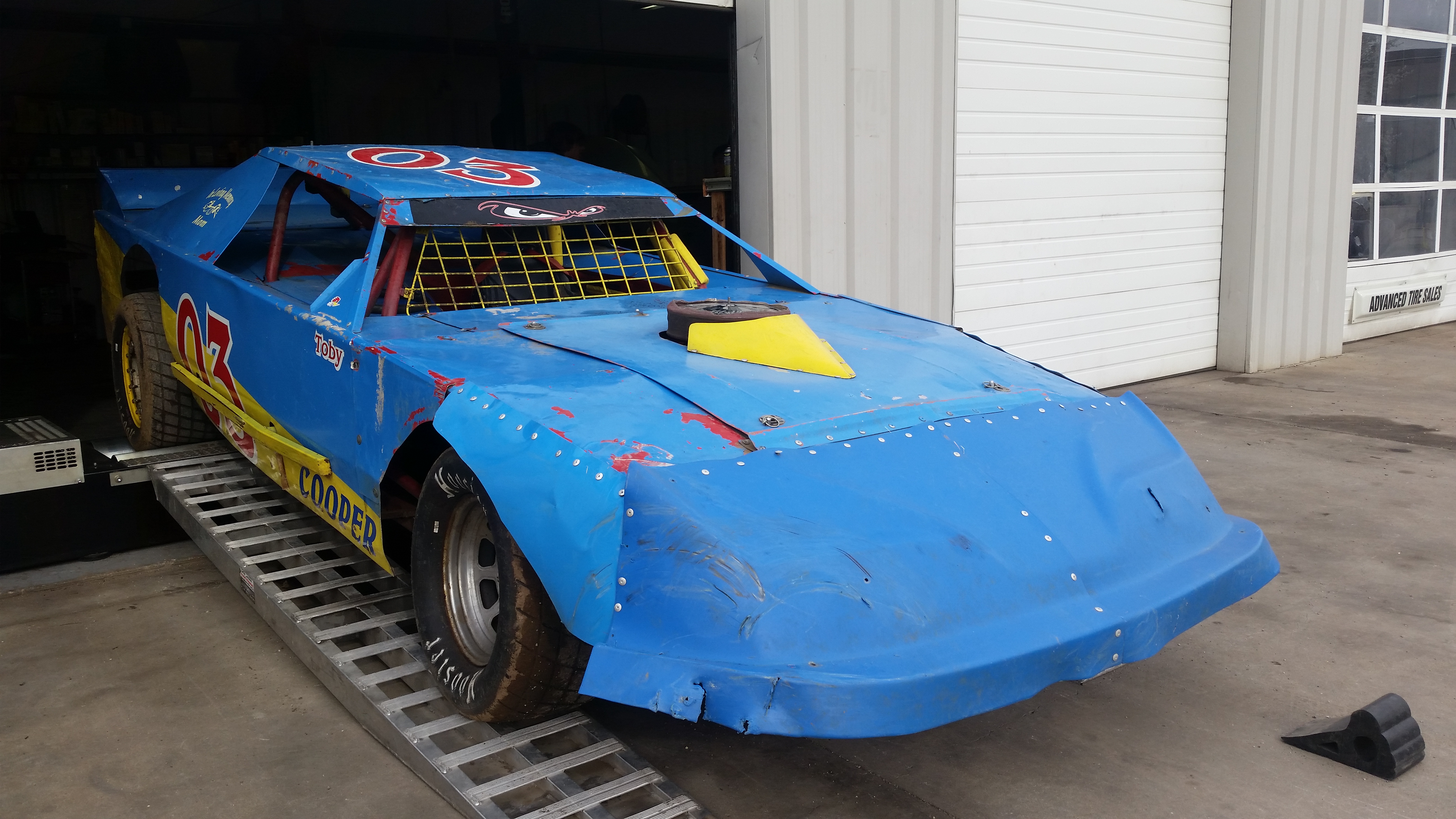
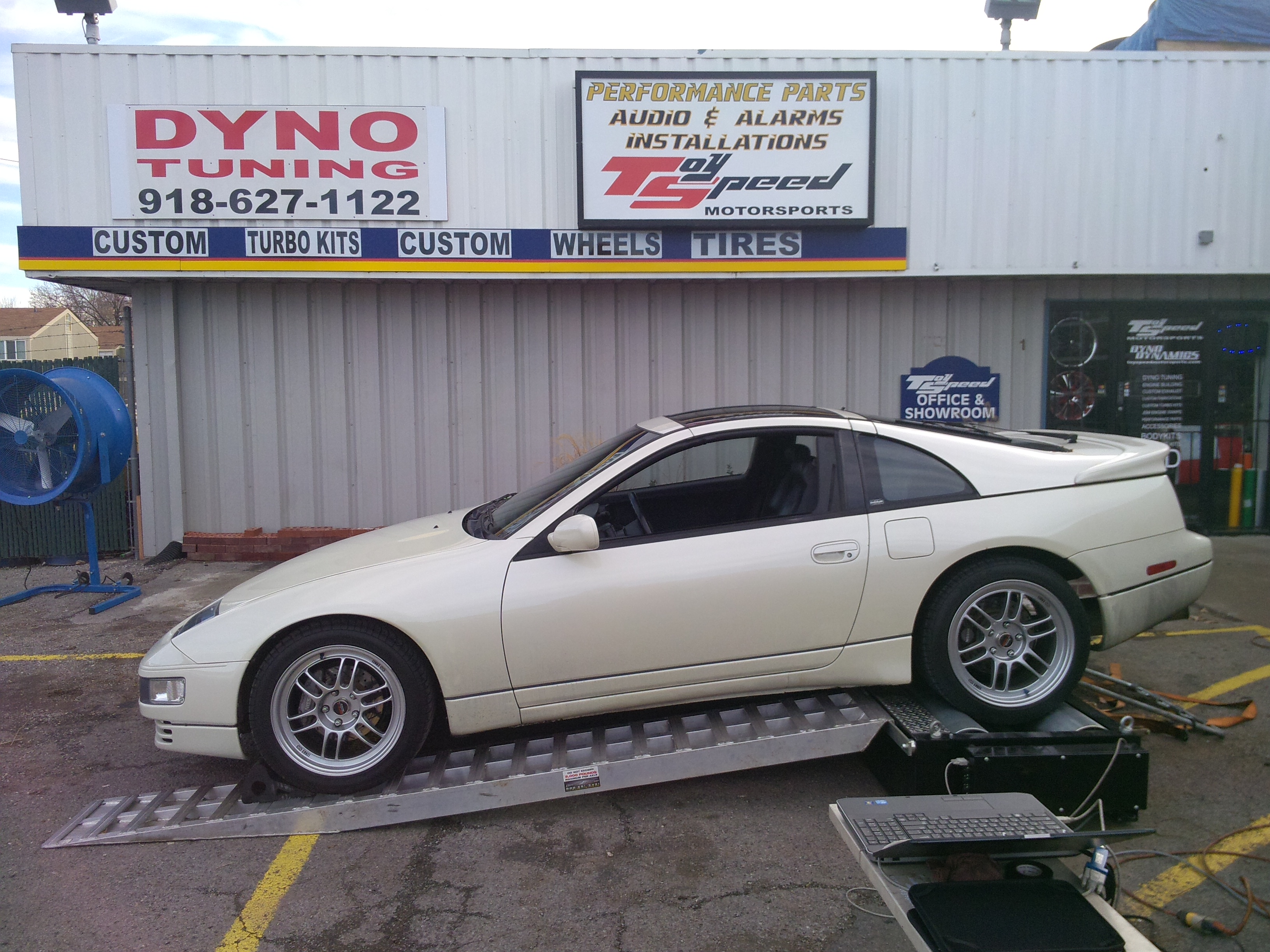
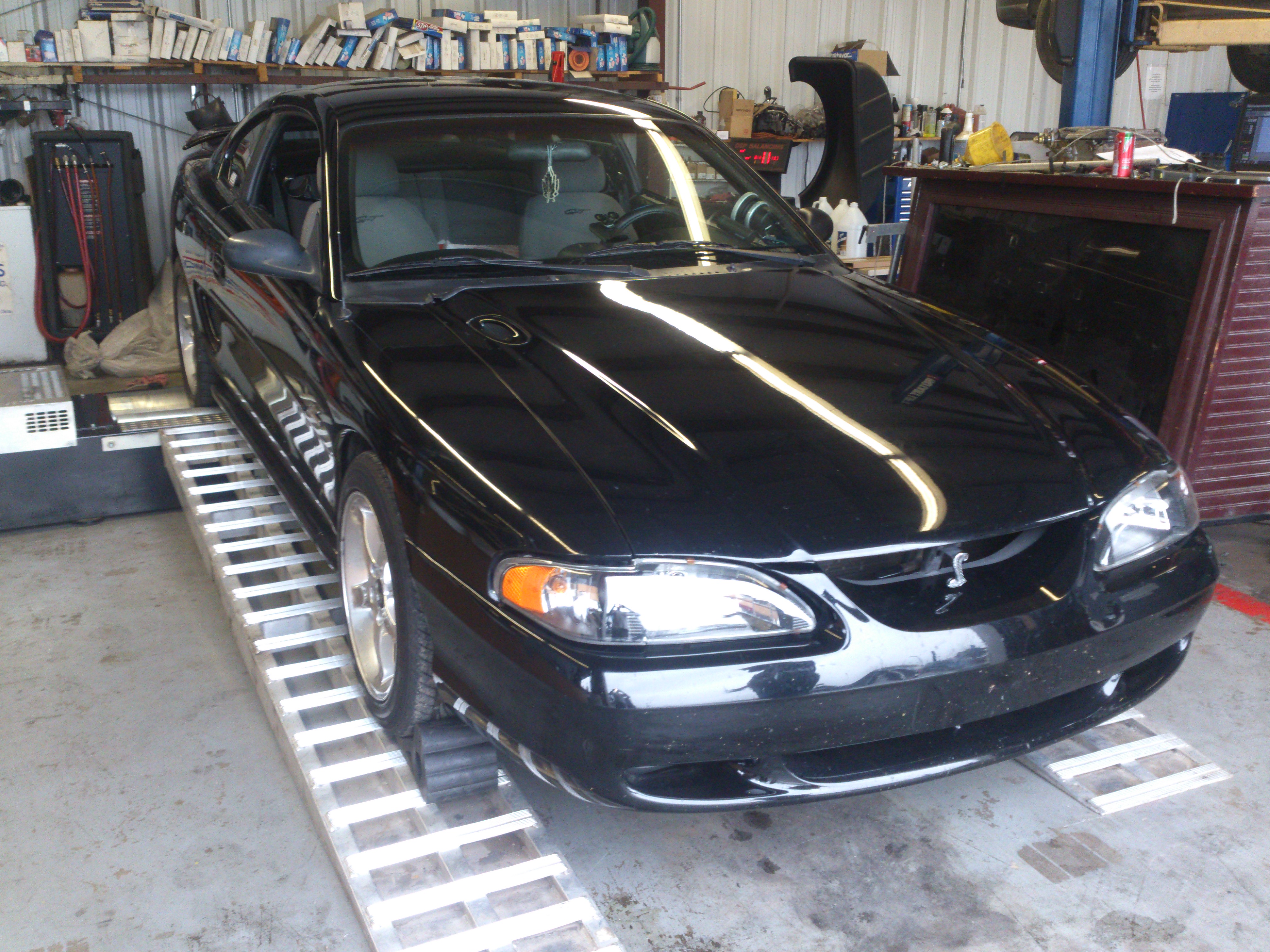
of the tire to roller interface on a conventional roller dyno.The Dynapack™ eliminates this variable by using
a hub adapter that provides a direct coupling to our Power Absorption Units. There can be no tire slip, no rolling resistance,
and no chance of the vehicle coming off of the dyno at high speeds. Notice that we call this a variable. Sometimes it may
be a problem area, other times it may not. Tire temperature, pressure, traction, etc, are all variables that can change -
not only from run to run, but during the run as well. Throw an unknown variable like this into the equation and your data has now become subject to a potentially
high margin of error. It is obviously better if these variables could be eliminated - which is exactly what we have done.
There are other associated problems with the roller method as well. Take tie-down straps for example, most roller dyno's
use ratcheting tie-down straps to attempt to hold the vehicle in position while being tested. If the straps are cinched down
tightly, the tire has become loaded even further, in an unpredictable manner. While this may be good for enhancing traction,
it changes the rolling resistance of the tire - skewing the data further. Since these tie-down straps aren't perfect,
the vehicle squirms around on the rollers - dramatically changing the tire drag during the run. If the vehicle is tested in
two different sessions, the straps can't be set exactly the same way twice in a row. Again, the data will be inconsistent.
We have heard of cases where the ratcheting tie-down straps were loosened by two clicks and the measured power increased
by ten horsepower. What if the straps stretch - either from run to run, or during the run itself? Wouldn't it be great
if all of these problems could disappear? With a Dynapack™, they were never there
in the first place.
Another major difference is the effect
of inertia. Street wheels and tires spinning at high RPM have a large amount of inertia. A large steel drum spinning
at the same ground speed has much more inertia. What you end up with is a giant, heavy flywheel attached to your engine. The
inertia is such that just trying to accelerate the mass of the roller is a substantial load for the engine. That is the principle
that some roller dyno's (or ìinertia dyno's as they are also called) operate on. Accelerate a known mass to
a measured speed over a given time and it can be calculated to equal a certain amount of power. There is nothing wrong with
this theory, but like many theories, its application in the real world can be troublesome. How do you think your measurements
will be effected by being subjected to this large heavy flywheel phenomenon? Will small fluctuations be noticeable? In a word,
no, the flywheel effect tends to take small rapid variations and smooth them right out - as energy that should be going into
the dyno is being wasted trying to accelerate a large lump of steel. This is great if you want your power curve to look like
a smooth pretty line, but it doesn't give you much insight into what is really occurring. What if you eliminated this
flywheel effect? The inertia of a Dynapack is practically zero.This allows us to precisely measure and display
tiny rapid pulses and oddities that you may not have seen before. Now you have a window into areas that no roller dyno will
allow you to see. Another benefit of having virtually zero inertia is the ability to change the rate of acceleration at will.
In many situations, you may want to accelerate the vehicle at a different rate to simulate a specific condition. With a few
simple keystrokes, we allow you to make the vehicle accelerate very quickly, slowly, or anywhere in between. Because of our
lack of inertia and total control of the engine speed, we give you choices that none of our competitors can even dream of
- and as you know, choices are good!
1. How much does a dyno tune/session
cost? Dyno time is charged on an hourly basis, with the exception of baseline pulls/tests.
The cost for dyno tuning without engine management is $125/hr. With engine
management, $175/hr. If you desire to tune your own powerplant, $125/hr is the charge for a supervised rental. Baseline testing (of 3 pulls,
with charts), costs $125.
If you would like to book an appointment,
Please call us 918-627-1122 and have your credit card ready for a none refundable deposit to hold your spot or you can
pay cash in person. Due to our overwhelming schedule we no longer accept verbal appointment. Please have your wheel locks
key handy and be sure your engine is ready to be tuned. Once your car is hooked on the dyno regardless of what you are doing
the clock starts ticking, so to save you money. Keep in mind that thats not the time to change your plugs etc. be prepared. |